
Systemic Change
for Global Health Security
30 Years. 50 Countries. A trans-disciplinary approach to strengthening veterinary services and One Health systems in the Global South
EpiMundi partners with major development donors, multilateral agencies, and philanthropies to deliver sustainable animal health solutions. We go beyond traditional technical assistance. By fusing rigorous epidemiology with sociology and information technology, we build bottom-up systems that survive long after the project ends.
From the villages of Indonesia to the pastoral regions of Namibia, we understand that biological problems rarely have purely biological solutions. We navigate the complex web of political, economic, and cultural factors to build resilience, secure livelihoods, and protect global health.

Technology Powered by People.
Too many development investments fail because they impose top-down structures on local realities. We believe in bottom-up, people-centred design.
Our flagship success, iSIKHNAS (Indonesia’s National Animal Health System), proved that when you design for the user — from the village reporter to the Minister — you create a self-sustaining ecosystem of intelligence. We apply this philosophy to every information system we build, ensuring that surveillance is not a burden, but a value-generating activity for the community.
Our three pillars
Digital Health & Information Systems
Building the Digital Infrastructure of One Health
Data is the backbone of modern veterinary services. We are global leaders in the design and deployment of National and Regional Animal Health Information Systems. We do not just install software; we build the governance, the workflow, and the capacity to maintain it.
Our footprint covers the architecture of national systems in Laos, Thailand, Vietnam, and Indonesia, as well as regional data platforms for the African Union and ASEAN. We understand the history of data evolution—having developed the first version of WOAH’s WAHIS system—and we are defining its future through interoperable, mobile-first solutions for AMR and disease control.
The evidence:
National Animal Health Information Systems (NAHIS) design.
Animal Identification and Traceability Systems (LITS).
AMR/AMU Surveillance platforms (e.g., Nigeria, Indonesia).
Tackling Complex Challenges & One Health
Zoonoses, Market Systems, and Political Complexity
Development challenges are rarely linear. They exist at the intersection of tribal politics, market forces, and biology. We excel in these sensitive environments.
Whether it is removing the “Red Line” in Namibia—grappling with a century of social, environmental, and political barriers to establish freedom from FMD and CBPP—or designing market-driven approaches to zoonotic risk through the TRANSFORM project, we bring a holistic lens. We address the sustainability of funding by engaging the private sector and aligning health goals with economic incentives for smallholders.
The evidence:
Market-Systems Development for Animal Health.
One Health Operationalisation (Zoonoses, TADs, AMR).
Complex Program Design (e.g., Brucellosis/TB control in Eastern Indonesia).
Capacity Building & Workforce Development
Empowering the Next Generation
Tools are useless without the skills to use them. We have trained veterinary staff across South and Southeast Asia, Africa and South America.
Our training goes beyond the classroom. We mentor national staff in applied epidemiology, outbreak investigation, and advanced data analysis. We help Competent Authorities transition from passive data collectors to active managers of national health status.
The evidence: Training courses in:
Terrestrial disease surveillance
Aquatic disease surveillance
Stochastic scenario tree modelling
Spatial data visualisation and analyis
Import risk analysis
Epidemiology for disease control
Animal health information management
Data reuse and data governance
Impact showcase
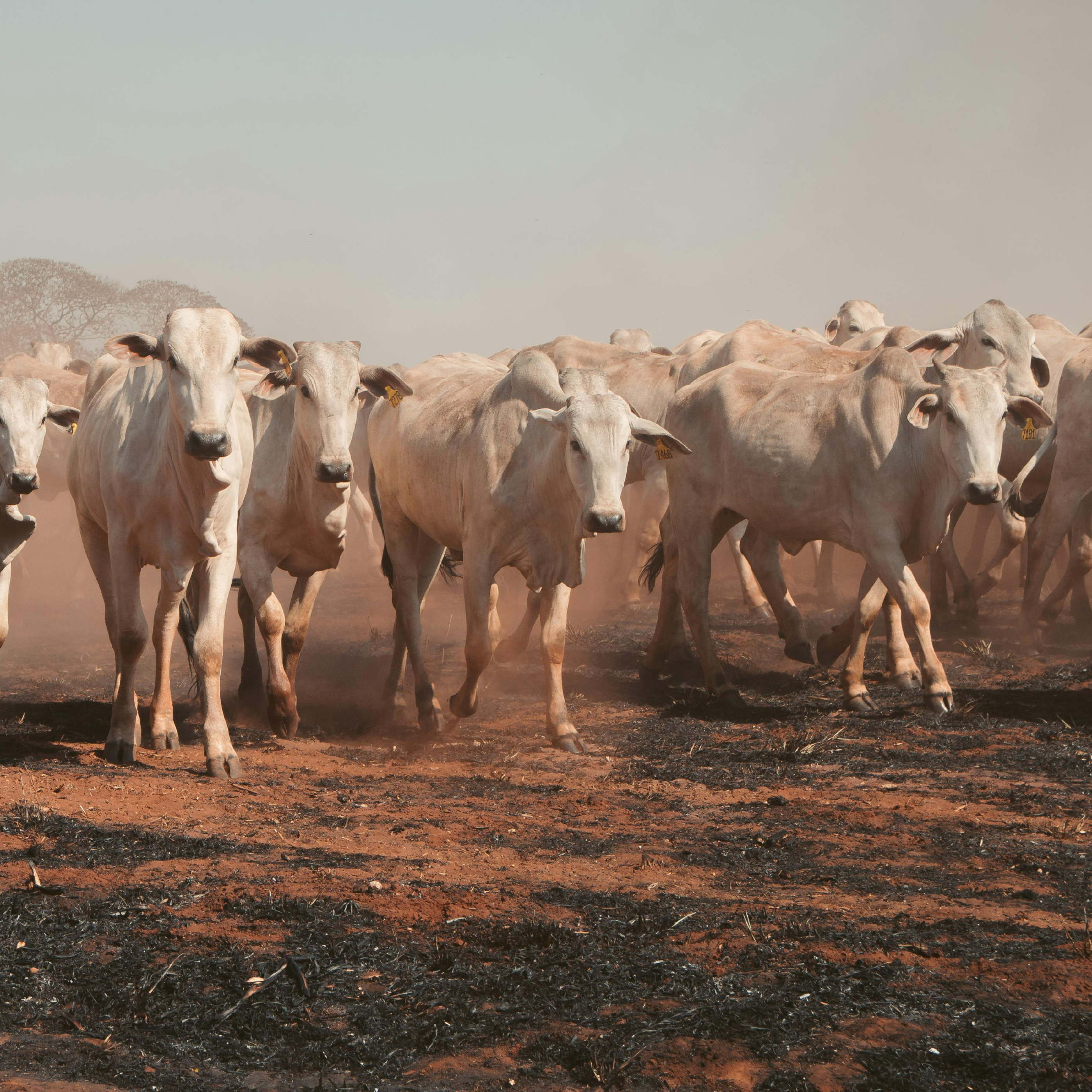
Quantifying confidence in freedom
We developed the statistical methodology (Stochastic Scenario Tree Modelling) and implemented the quantitative studies that demonstrated global freedom from Rinderpest. We are proud to have played a key role in the validation of the second-ever disease to be eradicated from the planet.
Quantifying confidence in freedom
We developed the statistical methodology (Stochastic Scenario Tree Modelling) and implemented the quantitative studies that demonstrated global freedom from Rinderpest. We are proud to have played a key role in the validation of the second-ever disease to be eradicated from the planet.
Inverting surveillance power structures
iSIKHNAS, Indonesia’s national animal health and production information system represents a revolution in participatory surveillance. By connecting tens of thousands of vets, paravets and livestock owners via mobile technology, we built a near real-time system that serves a nation of islands. It stands as the gold standard for low-resource, high-impact digital health.
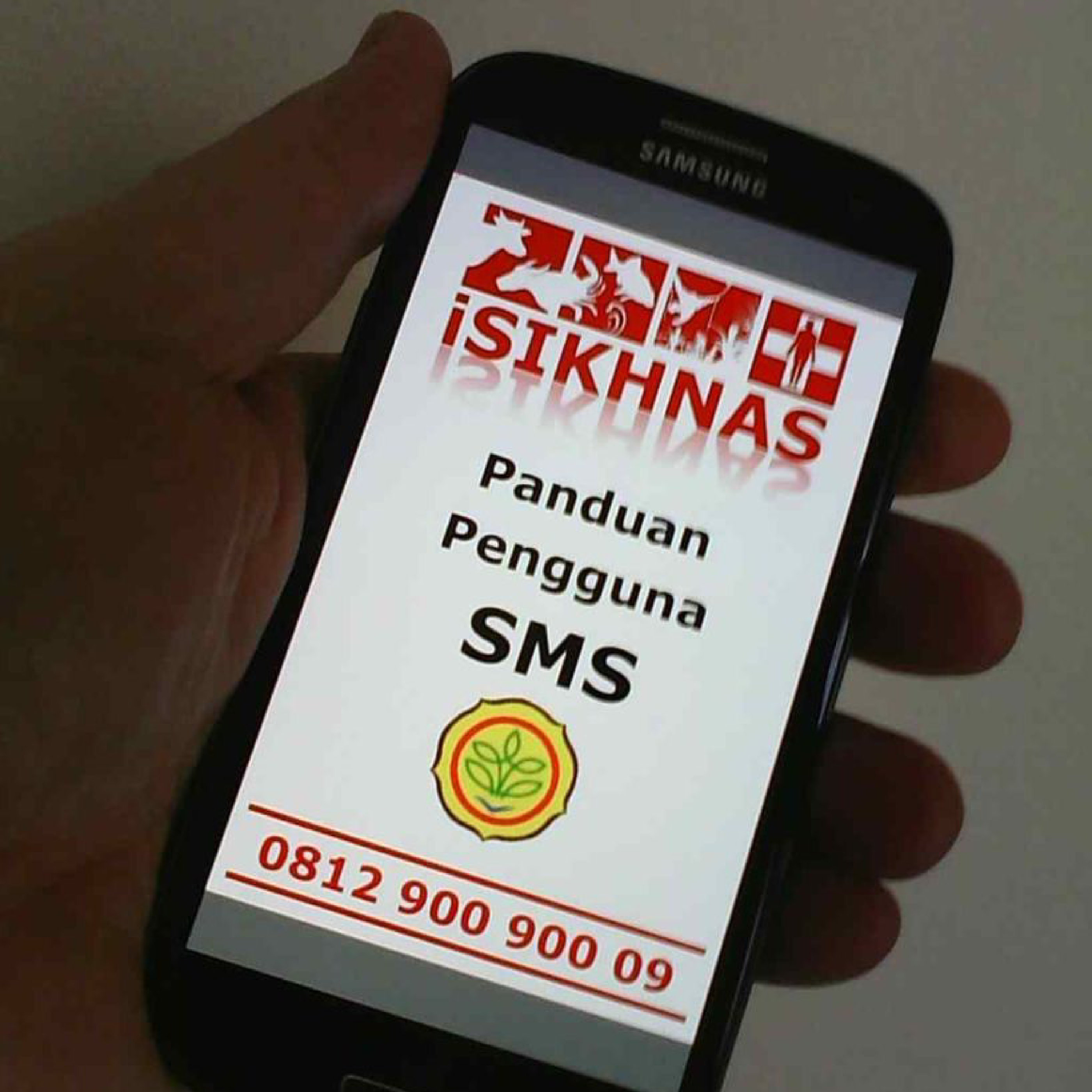
Inverting surveillance power structures
iSIKHNAS, Indonesia’s national animal health and production information system represents a revolution in participatory surveillance. By connecting tens of thousands of vets, paravets and livestock owners via mobile technology, we built a near real-time system that serves a nation of islands. It stands as the gold standard for low-resource, high-impact digital health.
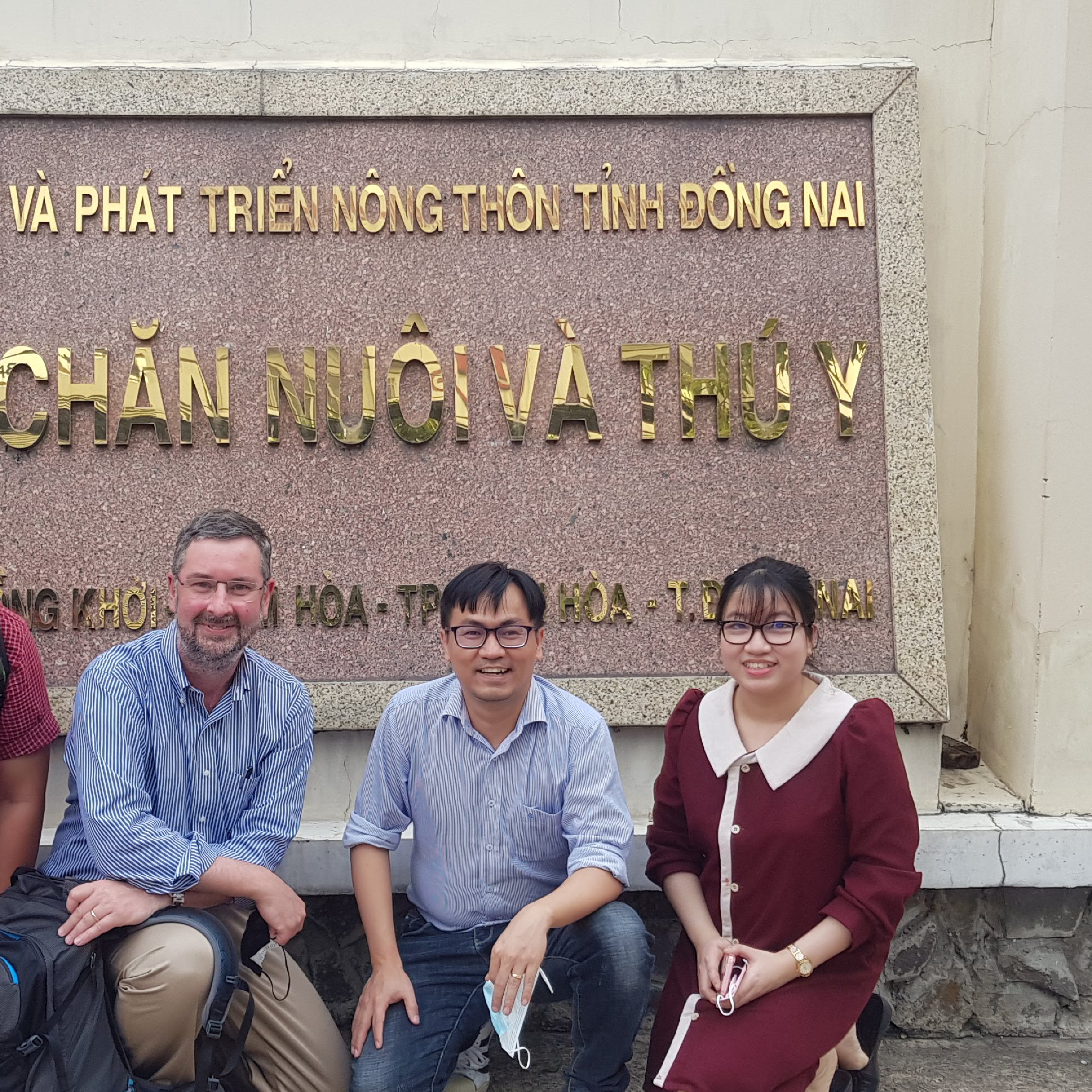
Private motivation. Public good.
Moving beyond donor dependency. In the USAID-funded TRANSFORM project, we pioneered market-driven models for the management of Transboundary Animal Diseases (TADs) and AMR, proving that health security can be a viable business proposition for producers and input providers alike.
Private motivation. Public good.
Moving beyond donor dependency. In the USAID-funded TRANSFORM project, we pioneered market-driven models for the management of Transboundary Animal Diseases (TADs) and AMR, proving that health security can be a viable business proposition for producers and input providers alike.
Rapid exchange built on regional trust
We don’t just work nationally; we connect nations. From developing the WOAH-accredited ASEAN Regional Animal Health Informaiton System (ARAHIS) to designing systems for the African Union (ARIS2), we strengthen the regional cooperation necessary to stop pandemics at the source.
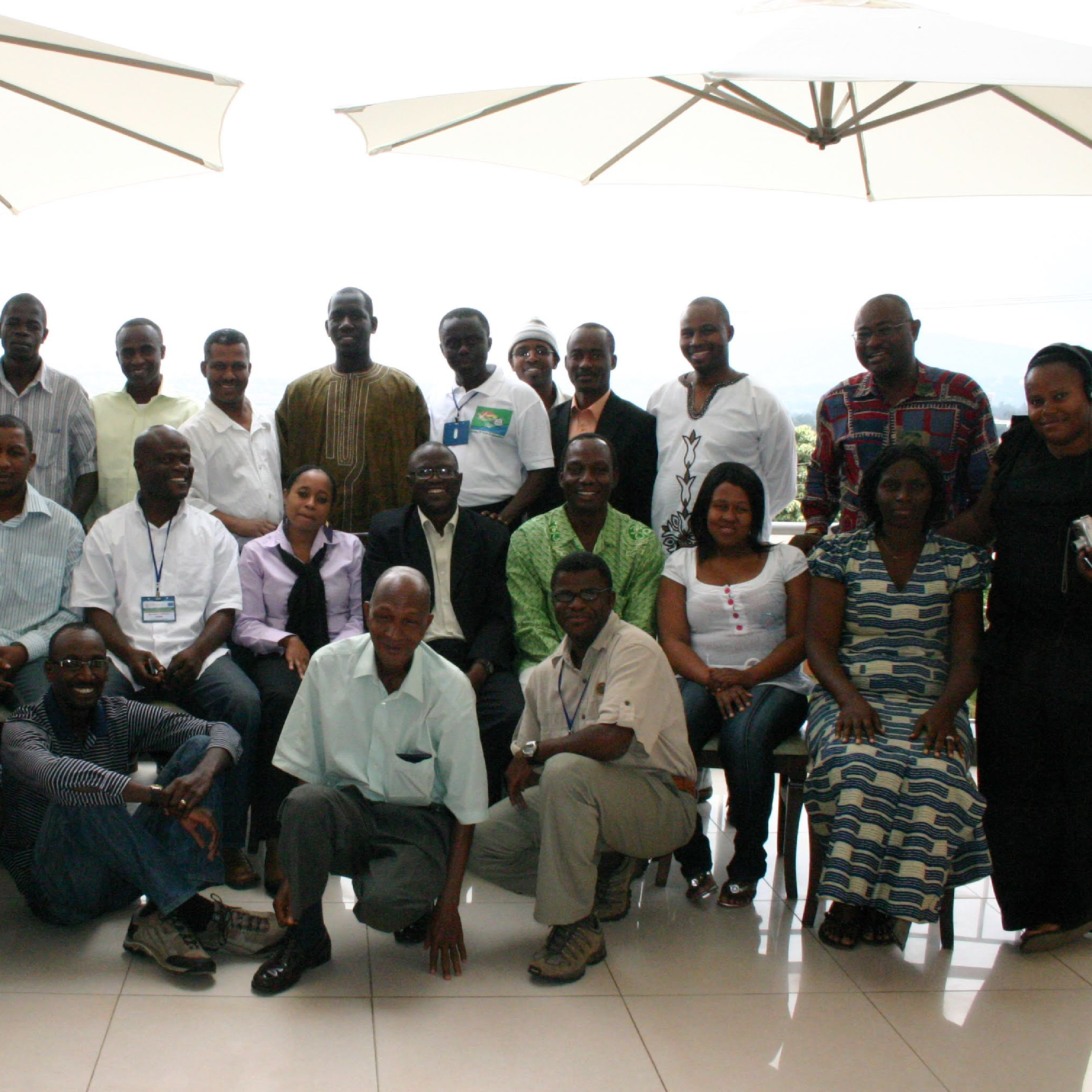
Rapid exchange built on regional trust
We don’t just work nationally; we connect nations. From developing the WOAH-accredited ASEAN Regional Animal Health Informaiton System (ARAHIS) to designing systems for the African Union (ARIS2), we strengthen the regional cooperation necessary to stop pandemics at the source.
Why Partner With Us?
Implementation Certainty
Sustainability Focus
Global Standard
Trans-Disciplinary
Donor Fluency & Operational Integrity
Scientific Rigour & Evidence-Based Impact
We possess deep operational fluency in the mechanisms of international funding. We understand the rigorous demands of accountability, project management, and reporting required by major donors, and we know how to translate these requirements into effective action on the ground.
We have successfully managed and implemented projects for a diverse portfolio of partners. We are a “safe pair of hands” capable of navigating complex compliance landscapes while fostering genuine, respectful collaboration with local partners.
Some of our work
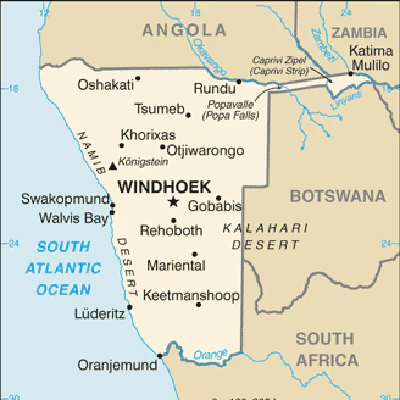
A Road Map towards freedom from Lungsickness and FMD for the Northern Communal Areas of Namibia
Namibia 2012 - MAWF and DVS and US Millenium Fund
Breaking down the barriers caused by the Red Line – a veterinary cordon fence dividing North from South.
View Project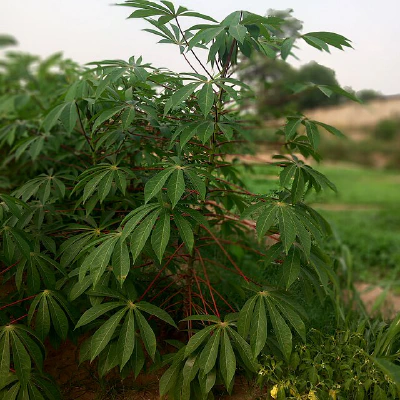
Crop pest and disease reporting and response system
Ghana - Bill & Melinda Gates Foundation, Grand Challenges Explorations Grant
We have been developing information systems and decision-support tools to strengthen industry, national, regional and global animal health and production systems for the last 25 years.
View Project
ISIKHNAS - Indonesia's national animal health and production system
Indonesia - AusAID
We have been developing information systems and decision-support tools to strengthen industry, national, regional and global animal health and production systems for the last 25 years.
View Project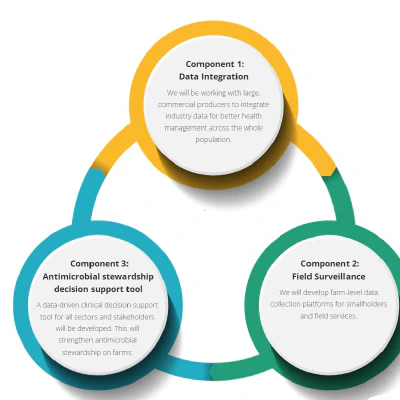
TRANSFORM: Market-driven risk mitigation
Indonesia, Vietnam, India, Kenya - USAID
A large and complex research project funded by USAID and conducted across 4 countries to explore market-driven approaches to risk mitigation.
View Project