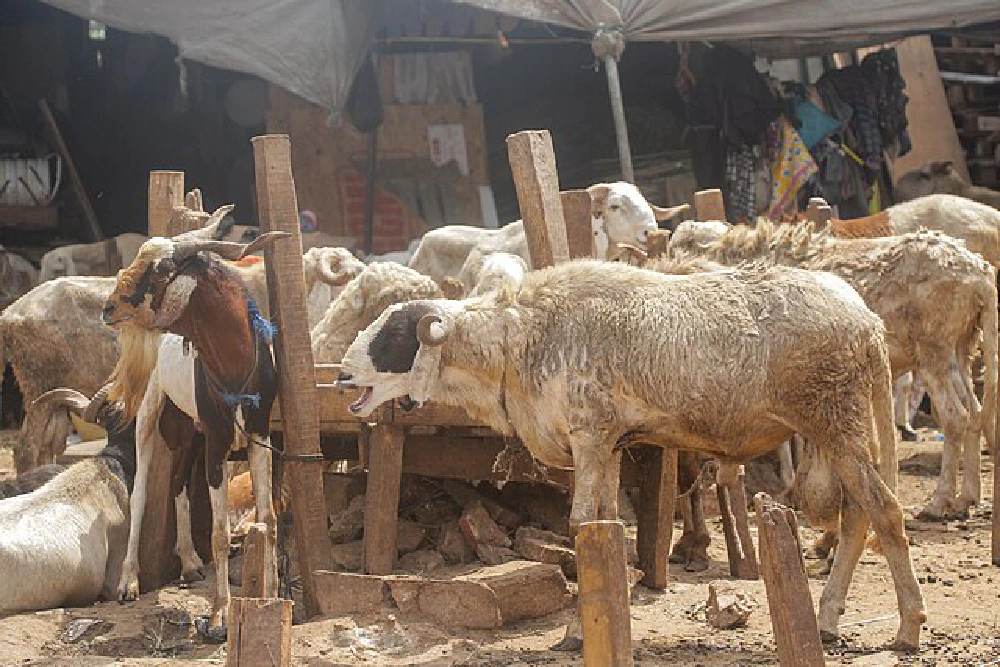
Professionalisation of Para-veterinarians in Togo, Senegal and Benin (Project P3V)
General Description
The P3V project aims to increase access to quality veterinary services in Francophone Africa by strengthening the capacities of veterinary paraprofessionals (VPPs). Originally deployed in Senegal and Togo, the project expanded to Benin and its implementation has been extended until December 2025.
Project Components
The project is structured around five strategic axes:
- C0 - Launch and Diagnosis: Situational analysis of veterinary demography, territorial mapping, and existing training offers.
- C1 - Institutional Framework: Improving veterinary legislation, defining VPP prerogatives, and creating national consultation frameworks.
- C2 - Competency Acquisition: Revision of training curricula, support for clinical and practical training, and implementation of continuous education.
- C3 - Sustainable Socio-Economic Environment: Support for the professional integration of graduates and the development of economic models for private structures.
- C4 - Project Management: Administrative coordination, steering committee oversight, and monitoring and evaluation.
Key Stakeholders
Project governance relies on multi-institutional collaboration
- Financial Partner: French Development Agency (AFD).
- Implementing Agency: World Organisation for Animal Health (WOAH/OMSA).
- Technical Partners: Inter-State School of Veterinary Sciences and Medicine (EISMV) of Dakar and the International “Agricultural and Rural Training” Network (FAR).
- National Actors: Ministries in charge of Livestock and Higher Education, training institutions (7 institutes), Veterinary Statutory Bodies (Orders), and professional associations.
Transforming farmer access to animal health services in Africa: Lessons Learned from the P3V Project
In Francophone Africa, access to veterinary care in rural areas remains a critical challenge, exacerbated by the lack of trained professionals. To address this, the Project for the Professionalisation of Veterinary Paraprofessionals (P3V), led by WOAH (World Organisation for Animal Health) and financed by the AFD (French Development Agency), has led an ambitious experiment in Senegal and Togo since September 2020. The project expandd to Benin in its final year (2025).
For a model to be replicable, its obstacles must be analyzed carefully. The P3V had to navigate through major structural difficulties.
One of the most sensitive challenges was the initial reluctance of certain Statutory Veterinary Bodies, fearing unfair competition from paraprofessionals. The project had to prove that professionalisation is not a threat, but a means of security, by clarifying roles via regulatory texts. Furthermore, legislative reform, such as that of the Veterinary Public Health Code in Senegal, proved to be a lengthy political process, requiring “strategic patience” and constant advocacy.
If the project now boasts a high satisfaction rate, it is thanks to a collaborative approach. The creation of “National Consultation Frameworks” was decisive in bringing together the State, Veterinary Orders, and training institutes around the same table. These bodies have made it possible to improve dialogue and coordination within the sector.
On the pedagogical front, the alliance between the veterinary expertise of the EISMV and the engineering of the FAR network made it possible to produce six new curricula aligned with international standards. In parallel, collaboration with NGOs such as Brooke and VSF facilitated communication and social acceptance of VPPs on the ground.
A Toolkit for Replication
The P3V leaves behind not only trained personnel, but a “knowledge kit” to help other nations replicate this success. The EpiMundi team was tasked with producing a complete suite of capitalization tools, including:
- A Guide to Processes: A key tool for structuring future interventions.
- Best Practice Sheets: Synthetic documents to share effective methods.
- A Retrospective Analysis: A strategic assessment to guide decision-makers.
These tools will be available shortly.
Conclusion
The P3V project demonstrates that it is possible to sustainably strengthen animal health networks through strategic partnerships, political will and strong stakeholder engagement. Aligned with the “One Health” approach and the AFD’s strategy, this initiative now offers a proven model for improving the living conditions of livestock owners.
To find out more about the P3V project visit woah.org